

The following article is not intended as medical advice and only provides general information. For medical consultation, please consult a doctor or medical professional.
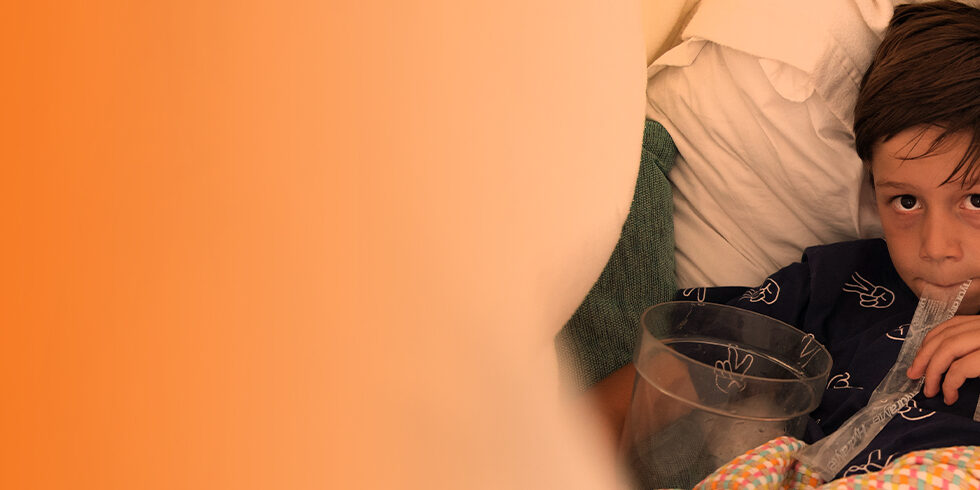
Tummy bugs, stomach flu, the bug, whatever you want to call it, is nasty business for all involved. It usually starts with one person; a child comes home from day care looking a bit pale, and within a couple of days half the household is taking turns in the bathroom. Tummy bugs spread easily, and they’re miserable while they last.
The good news is that most people get over these bugs at home without needing treatment from a doctor¹. The most important job is keeping fluids up, because vomiting and diarrhoea can lead to dehydration¹. Rest, simple food and good hygiene help you through the rest.
Below are five practical tips for managing a tummy bug.
1. Keep Up Your Fluids
Replacing the fluids lost through vomiting and diarrhoea helps you avoid becoming dehydrated¹. For children, international guidelines recommend starting oral rehydration as soon as possible when a child is vomiting or has diarrhoea³.
Small sips, often
When your stomach is unsettled, big gulps can come straight back up. Healthdirect suggests sipping clear fluids every five to 10 minutes¹. For older children, a few mouthfuls every five to 15 minutes works well². It can feel as though the fluid goes straight through, but the body still absorbs much of what goes in, so keep offering it².
Sometimes plain water isn’t enough
Oral rehydration drinks are designed to replace both the fluids and the salts lost through vomiting and diarrhoea⁴. Undiluted fruit juice and soft drinks are best avoided, because they can make dehydration and diarrhoea worse⁴.
Looking after babies and little ones
If you think a baby under six months has vomiting and diarrhoea, they should always be seen by a doctor¹. Breastfeeding shouldn’t be interrupted³. Offering breastfeeds more often can help your baby keep their fluids up². If your baby is formula fed, give small amounts often, made up at normal strength rather than diluted². If a toddler refuses to drink, try an icy pole, or give small amounts of fluid with a medicine syringe². Keep an eye out for the signs of dehydration in children.

2. Eat When You’re Ready
There’s no need to force food on the first day or so. Healthdirect’s advice is to eat when you feel hungry, starting with simple foods such as these¹:
- Starchy basics: dry toast, crackers or rice
- Gentle extras: clear soup or a banana
Older advice was to cut out dairy completely, but current guidelines for children recommend continuing regular feeding with no dietary changes, including milk³. A small number of children develop a temporary difficulty digesting lactose, which shows up as extra wind and diarrhoea². If that happens, cutting back on dairy for around three weeks can help².
If your child won’t eat at first, that’s not a problem as long as they’re drinking enough².

3. Get Plenty Of Rest
A tummy bug can leave you achy, weak and wiped out, so rest as much as you can¹. Staying home also keeps the bug away from workmates and classmates, which is what the next two tips are about.
4. Wash Your Hands With Soap And Water
Tummy bugs can spread through contact with the vomit or poo of someone who is sick. They can pass on through contaminated food, drinks and shared objects, and through the air when someone vomits⁴. Washing your hands thoroughly with soap and running water for at least 20 seconds is one of the most effective things you can do⁴. It matters most after going to the toilet or changing nappies, and before preparing food or eating.
Cleaning up after a tummy bug
NSW Health recommends the following when cleaning up vomit or diarrhoea⁴:
- Protect yourself: wear gloves, and ideally a mask
- Use disposables: wipe up with paper towels, then seal them in a plastic bag before binning
- Clean the surface: use hot water and detergent, then let it dry thoroughly
Give extra attention to the spots everyone touches, such as taps, toilet seats, door handles and kitchen benches⁵.

5. Stay Home And Keep Your Distance
Where you can, give the person who’s unwell their own space, and don’t share towels, cups, glasses or cutlery¹. Anyone who is sick shouldn’t prepare food for others until 48 hours after their vomiting or diarrhoea stops⁴.
The same 48-hour rule applies to getting back to normal life. Children shouldn’t return to childcare or school, and adults shouldn’t return to work, until 48 hours after their last episode of vomiting or diarrhoea¹. The Royal Children’s Hospital also suggests children skip swimming for two weeks after they recover².
When To See A Doctor
Most tummy bugs can be managed at home. However, adults and older children should see a doctor if they have any of the following¹:
- Worsening pain: tummy pain that’s getting worse
- Ongoing symptoms: frequent vomiting or diarrhoea
- Blood or mucus: in their poo
- Fever: a raised temperature
- Signs of dehydration: passing little or no urine, dark urine, or feeling faint or dizzy when standing
Young children should see a doctor if they’re in any of these situations¹:
- Age: they’re under six months old, or under three years old with a fever over 38°C
- Fluids: they can’t keep fluids down
- Vomit or poo: they have dark green vomit or blood in their poo
- Recovery: they aren’t getting better
Signs of more serious dehydration in children include the following¹:
- drowsiness
- fewer than four wet nappies a day
- cold hands and feet
- dry lips and tongue
- sunken eyes
- fast breathing
Call 000 if a child is unconscious, very lethargic or hard to wake². If you’re unsure, the healthdirect helpline (1800 022 222) has a registered nurse available 24 hours a day¹.
Where Hydralyte Fits In
For children who won’t drink, Hydralyte Electrolyte Ice Blocks can be easier to manage. They’re formulated to help replace water and electrolytes lost through vomiting and diarrhoea, and to relieve symptoms of dehydration. The range also includes Hydralyte Effervescent Electrolyte Tablets, Hydralyte Electrolyte Powder and Hydralyte Ready to Use Electrolyte Solutions, so you can choose the format that suits whoever is unwell. To understand what’s inside, see how Hydralyte works.
Always read the label and follow the directions for use.
Tummy bugs are rarely serious, but they’re draining for the whole household. Keep fluids going in small, frequent sips, and let appetite lead the way back to food. Rest up, wash hands with soap and water, and keep everyone home until 48 hours after their last symptoms. If anything worries you, check in with your GP or pharmacist.
Frequently Asked Questions
How do you stay hydrated with a stomach bug?
Take small sips of clear fluid often, roughly every five to 10 minutes, rather than large amounts at once¹. Electrolytes help replace the salts lost through vomiting and diarrhoea as well as the fluid⁴. Avoid undiluted juice and soft drinks while you’re unwell⁴.
How long is a stomach bug contagious?
Tummy bugs mostly spread from people who have symptoms, but some people can pass them on without any⁴. NSW Health recommends keeping up good hygiene for 48 hours after symptoms stop⁴.
What can cause a tummy bug?
Tummy bugs can have a range of causes and may involve symptoms such as vomiting and diarrhoea. Whatever the cause, it’s important to replace fluids lost through vomiting and diarrhoea. If you’ve picked up a tummy bug overseas, our guide to travel tummy bugs has more.
When can my child go back to school after vomiting and diarrhoea?
Children can return to childcare or school once they feel better and have had no vomiting or diarrhoea for 48 hours². They should stay out of swimming pools for two weeks after they’ve recovered².
References:
¹ https://www.healthdirect.gov.au/gastroenteritis
² https://www.rch.org.au/kidsinfo/fact_sheets/Gastroenteritis_gastro/
³ https://pubmed.ncbi.nlm.nih.gov/24739189/
⁴ https://www.health.nsw.gov.au/Infectious/factsheets/Pages/viral-gastroenteritis.aspx
⁵ https://www.betterhealth.vic.gov.au/health/conditionsandtreatments/gastroenteritis